


Starting a career in tutoring can feel difficult when so many roles ask for experience. But if you’ve never worked as a tutor before, that doesn’t mean tutor jobs are out of reach.
Schools, local authorities and families need tutors with a wide range of skills and backgrounds. Experience working with children and young people can certainly help, but many of the qualities that make a great tutor can come from teaching, support work, mentoring, coaching or other professional and voluntary experience.
If you’re considering tutoring for the first time, here’s how you can put yourself in the best position to secure your first role.
What Does a Tutor Do?
Tutoring is about providing focused support to help a learner make progress, build confidence and overcome barriers to learning.
Depending on the role, tutors may work one-to-one or with small groups, supporting learners with subjects such as English, maths and science or providing more individualised educational support.
Some tutor jobs take place within schools, while others may be delivered in alternative settings, community venues, libraries or a learner’s home. This variety means tutoring can offer a different experience from working in a traditional classroom.
Do You Need Previous Tutoring Experience?
Not necessarily.
The requirements will depend on the individual role, learner and setting. Some positions may require Qualified Teacher Status (QTS), previous classroom experience or experience supporting learners with additional needs. However, previous tutoring experience isn’t always the only thing employers and recruitment agencies consider.
Identify Your Transferable Skills
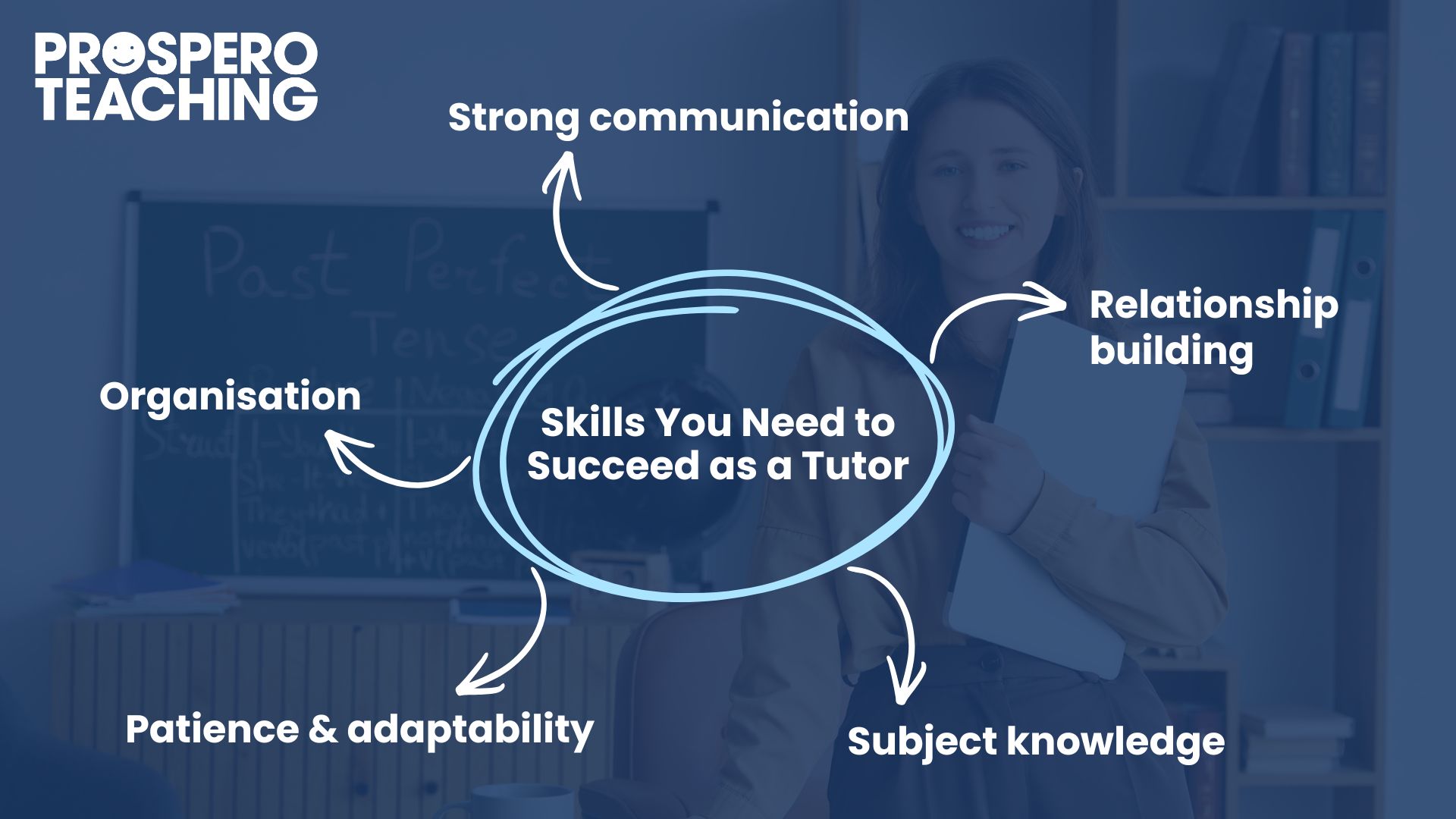
A good tutor needs much more than subject knowledge. Working one-to-one with a learner requires patience, adaptability and the ability to communicate information in a way that works for them.
Think about experiences where you’ve demonstrated skills such as communication, organisation, relationship building, problem-solving, patience and adaptability. For example, perhaps you’ve trained new colleagues at work, coached a sports team or helped younger family members with schoolwork. These experiences aren’t the same as professional tutoring, but they can help you identify skills that could transfer into the role.
Build Experience Working With Young People
If you have little or no experience working with children or young people, gaining some can strengthen your application.
You could explore volunteering opportunities with schools, youth organisations, sports clubs or community groups. Teaching Assistant, Learning Support Assistant and Cover Supervisor roles can also provide valuable experience within an education environment. This can help you become more familiar with supporting different learners while developing practical skills that could prepare you for future roles.
Think About the Subjects You Can Offer
Before applying, consider where your strongest subject knowledge lies.
Maths, English and science are commonly required areas, particularly when supporting pupils with core curriculum knowledge or preparing for qualifications.
However, your strongest subject may come from your degree, previous career or other experience. Be realistic about the subjects and levels you’re confident supporting. Being able to explain concepts clearly and adapt them to an individual learner is just as important as knowing the answer yourself.
Understand Safeguarding
Safeguarding is an essential part of working with children and young people.
Before starting a tutoring role, you may need to complete relevant safeguarding training and undergo the appropriate background checks, such as a DBS check in England. Taking the time to understand your safeguarding responsibilities can also help demonstrate that you’re prepared for working within education.
Find Tutor Jobs With Prospero Teaching
If you’re interested in becoming a tutor, Prospero Teaching works with tutors across the UK to support children and young people with a range of educational needs. Whether you’re an experienced educator or exploring tutoring as the next step in your career, our team can help you understand the opportunities available and what you’ll need to get started.
Ready to explore tutor jobs?
Teaching Blog
No results found.....